
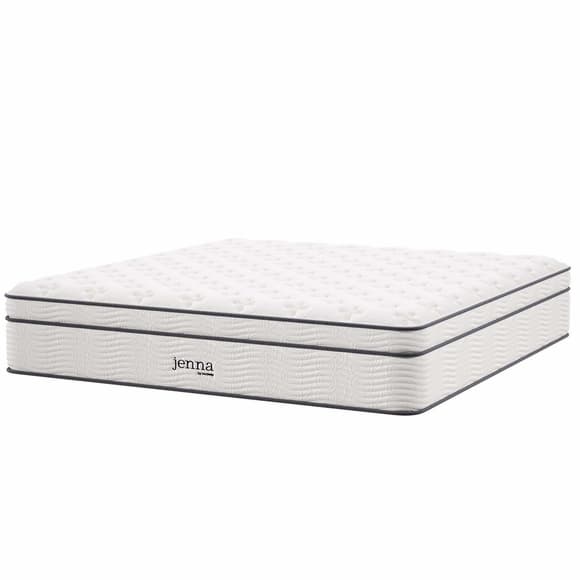
If your family is growing — a new baby on the way, a toddler graduating to a twin bed, or older kids finally getting their own rooms — you are probably staring at a pile of outgrown mattresses and wondering what on earth to do with them. Taylor, TX is one of the fastest-growing cities in Williamson County, and with that growth comes a very real, very common problem: what do you do with the old mattress?
Dragging it to the curb and hoping it disappears is not a real plan. Hauling it to the dump takes half a Saturday and costs money. Leaving it in the garage "for now" means it will still be there in two years. There is a better option: scheduled curbside mattress recycling pickup that handles the whole thing for you, keeps the mattress out of a landfill, and might even help a shelter dog get a comfortable place to sleep. That is exactly what Williamson County Mattress Recyclers was built to do.
This guide covers everything a growing Taylor family needs to know about responsible mattress disposal — from when to replace each mattress, to how recycling works, to what to expect on pickup day.
Why Growing Families in Taylor Face a Unique Mattress Challenge
Taylor has been booming. New subdivisions, new schools, and a flood of young families relocating from Austin and the surrounding metro have made it one of the most active residential markets in Central Texas. That growth is exciting — but it creates a very specific logistical headache around mattresses.
Growing families cycle through mattresses faster than any other household type. Think about the typical progression:
- A crib mattress when the baby arrives.
- A toddler mattress around age two or three.
- A twin bed when the toddler moves to a "big kid" room.
- A full or queen for the child's teen years.
- Meanwhile, the parents may upgrade their own queen to a king to make room for bedsharing or co-sleeping in the early years.
That is potentially five to seven mattresses cycling through a single household over ten years. Multiply that across the hundreds of new homes going up in neighborhoods around Taylor, and you have a significant volume of mattresses looking for somewhere to go. The responsible answer is recycling — not the landfill.
How Mattress Recycling Actually Works
Most people have a vague sense that recycling is the right thing to do, but they are not sure what actually happens to a mattress once it leaves the driveway. Here is the honest, straightforward answer.
A standard mattress is made of several distinct materials, most of which are fully recyclable:
- Steel coils and springs — recycled as scrap metal.
- Foam layers — shredded and repurposed as carpet padding, pet bedding, or industrial insulation.
- Wood foundations and frames — chipped into mulch or processed as lumber scrap.
- Fabric and ticking — sorted for repurposing; clean fabric can become stuffing or padding material.
At the Williamson County Mattress Recyclers facility, incoming mattresses are carefully broken down by hand and sorted into these material streams. The goal is to divert as much as possible from landfill — and according to the EPA's data on materials, waste, and recycling, diverting bulky items like mattresses from landfill has a meaningful positive impact on municipal solid waste totals.
What Happens to the Fabric From Your Old Mattress?
Here is the part that tends to surprise people: clean, suitable fabric from recycled mattresses gets a second life as material for large dog beds. Those finished beds are then donated to animal shelters and rescue organizations in Williamson and Travis Counties. So when you schedule a pickup, you are not just decluttering — you are potentially giving a shelter dog a softer place to rest while it waits for a forever home. You can read more about that program on the Shelter Dog Beds page.
When Should a Growing Family Replace a Mattress?
One of the most common questions we hear from parents is: "Is it time?" Here is a practical guide for each mattress type you are likely managing in a growing household.
Crib and Toddler Mattresses
Crib mattresses should be replaced between babies if there is any visible damage, sagging, or staining. Even if the mattress looks fine, many pediatricians recommend a fresh mattress for each child to reduce suffocation risk from an overly compressed surface. Toddler mattresses typically last three to five years before they start breaking down from active use. If you notice visible indentations, a lumpy surface, or your toddler waking up more often, it is time. Our toddler mattress pickup service handles these smaller sizes just as easily as any other.
Twin and Full Mattresses
Kids are hard on mattresses. Jumping, roughhousing, and general wear mean a kids' mattress may hit its limit before the standard seven-to-ten-year mark. Signs to watch for:
- Visible sagging or permanent impressions in the surface.
- Your child waking up stiff or complaining of back or neck discomfort.
- Squeaking or noise from inner springs on an innerspring model.
- Visible tears, stains through to the core, or odor that will not go away.
If any of these apply, the mattress has done its job and it is time to recycle it. Our twin mattress pickup and full mattress pickup services cover both of these sizes.
Queen and King Mattresses
Parent mattresses in growing families often take a beating too — from co-sleeping, early morning visitors, sick kids camping out, and the general sleep disruption that comes with infants and toddlers. The standard replacement window is seven to ten years, but if you have had additional weight stress or irregular use patterns, the real timeline may be shorter. Check out the queen mattress pickup and king mattress pickup pages for details on those sizes.
Why Landfill Disposal Is the Wrong Move
It is tempting to just leave an old mattress at the curb on bulk trash day or haul it to the dump. But there are real reasons why that is worth avoiding — beyond just "it feels bad."
- Mattresses are banned from many landfills. Some Texas counties and municipalities have begun restricting whole mattress disposal because they take up enormous space and resist compaction. Rules change, and getting caught on the wrong side of them is a hassle.
- Landfill mattresses do not degrade cleanly. The foam, synthetic fibers, and treated fabric in modern mattresses can persist in a landfill for decades, potentially leaching chemical compounds into the surrounding environment. The EPA's recycling guidance consistently emphasizes diverting bulky waste from landfill as a priority.
- Illegal dumping is a real risk. When curbside pickup does not materialize and the dump run feels too difficult, mattresses sometimes end up in ditches, vacant lots, or along roadsides. That is a community problem, an eyesore, and potentially a legal liability.
- You miss the opportunity to do something genuinely useful. Recycling a mattress keeps its materials in productive use. For families who are already making eco-conscious choices — recycling household waste, reducing single-use plastics, buying sustainable products — mattress recycling is a natural extension of those values.
The Booking Process: Simple Enough to Do During Nap Time
We designed the scheduling process specifically for busy families. If you have ever tried to coordinate a large-item pickup through a municipal service, you know how frustrating the process can be — long hold times, narrow appointment windows, and requirements that feel designed to make you give up.
Here is how our process works instead:
- Book online. Go to the website, choose your mattress size, and pick a pickup day. No phone calls required.
- Pay online at booking. The transaction is handled upfront, so there is nothing to sort out on pickup day.
- Place the mattress where we can reach it. Curbside, driveway, or just inside a back yard gate are all fine. You do not need to be home.
- We handle the rest. Our team comes on the scheduled day, loads the mattress, and hauls it to the recycling facility. Done.
The whole booking process takes about three minutes. Most parents handle it during a lunch break or in the ten minutes between getting home and starting dinner. For answers to common questions about the process, visit our frequently asked questions page.
Do You Need to Prepare the Mattress?
No special preparation is required. We take mattresses in any condition — stained, torn, wet, worn out, or simply old. The only real requirement is that the mattress is accessible from outside your home so our team can load it without entering the residence. That makes the process contact-free and convenient, which matters when you have small kids at home and a packed schedule.
Mattress Sizes We Pick Up From Taylor Families
Growing families often have multiple mattresses to deal with at once. Here is a quick reference for every size we handle:
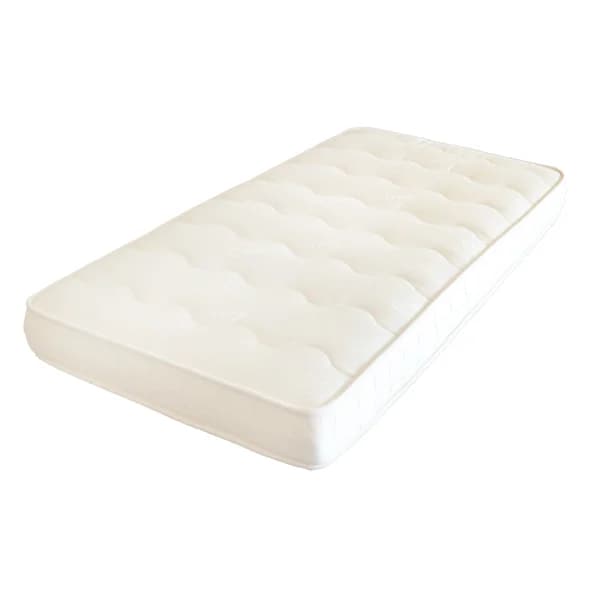
- Toddler / crib: The smallest size, easiest to move, but awkward to dispose of through normal channels. Toddler mattress pickup is available for exactly this situation.
- Twin: The classic kids' room mattress. Twin mattress pickup is one of our most common requests from families in Taylor and the surrounding area.
- Full: Common in teen rooms and guest spaces. Our full mattress pickup covers this size.
- Queen: The most common adult size. Queen mattress pickup is available across our service area.
- King: The largest standard size. King mattress pickup is handled by our team with the right equipment to move it safely.
If you have more than one mattress ready to go at the same time, you can book multiple pickups. Families going through a bedroom overhaul — converting a nursery, adding a kids' bedroom, or upgrading the master suite — sometimes schedule two or three pickups across the same week.
Taylor, TX Growth and What It Means for Responsible Disposal
Taylor's growth over the past several years has been remarkable. The Samsung semiconductor plant, new residential developments, and proximity to the broader Austin metro have all contributed to a wave of new residents settling in Taylor and nearby communities in Williamson County. Many of those residents are young families — the exact demographic cycling through mattresses regularly.
That growth puts pressure on local infrastructure, including waste management. More households mean more bulky items needing disposal. The responsible answer is not to overload landfill capacity but to build habits around recycling and diversion. Mattress recycling is one of the highest-impact single-item decisions a household can make, precisely because mattresses are so large and so difficult to process in a standard landfill setting.
Williamson County Mattress Recyclers serves Taylor as part of our broader Williamson and Travis County service area. Whether you are in an established neighborhood near downtown Taylor or in one of the newer subdivisions on the city's edges, we can schedule a pickup that works for your location. Learn more about the full service area on the About page.
Safe Lifting and Why You Should Not Try to Move It Yourself
A full-size mattress is one of the most injury-prone items a person can try to move without help. They are heavy, unwieldy, and nearly impossible to grip safely. A queen innerspring mattress can weigh between 100 and 150 pounds, and a king may weigh even more. Add in tight stairwells, narrow doorways, or a second-floor bedroom, and the risk of a serious back or shoulder injury goes up considerably.
The OSHA ergonomics guidelines make clear that awkward loads — items that are bulky, unbalanced, or difficult to grip — are a leading cause of musculoskeletal injury. Attempting to carry a king-size mattress down a flight of stairs alone is exactly the kind of scenario those guidelines warn against.
Our pickup team is equipped and trained to handle the loading safely. Your job is simply to get the mattress out of the room it is in and to a spot accessible from outside — curbside, driveway, or just inside a gate. We take it from there.
Common Mattress Recycling Mistakes Growing Families Make
Even well-intentioned families sometimes handle mattress disposal in ways that create problems. Here are the most common mistakes — and how to avoid them.
Waiting Too Long and Letting the Old Mattress Become a Storage Problem
The most common mistake is simply doing nothing. The old crib mattress goes into the garage. The outgrown twin goes behind the shed. Six months later, it has absorbed moisture, developed mold, and become a much bigger problem than it was when it was just a retired kid's mattress. Book the pickup when the mattress comes out of service — not someday.
Assuming Donation Is Always the Right Move
Many families try to donate old mattresses first, which comes from a good place. But most thrift stores and shelters will not accept used mattresses due to hygiene regulations and liability concerns. If a mattress is stained, old, or showing wear, it is almost certainly not eligible for donation. Recycling is the responsible alternative — and the one that actually guarantees the materials do not end up in a ditch or a landfill.
Not Accounting for Multiple Mattresses at Once
A nursery-to-toddler transition, a bedroom shuffle, or a household move can generate two or three mattresses at once. Plan for that. You can book multiple pickups through our services page and schedule them on the same day or across different days, whichever works best for your household's timeline.
Leaving a Mattress Unsecured Outside for Too Long
If you put a mattress outside in advance of your pickup day and it rains, the mattress absorbs water and becomes significantly heavier and harder to handle. Try to put the mattress out on the morning of your scheduled pickup rather than days in advance — especially during Central Texas's unpredictable spring and summer storm season.
The Environmental Case: What One Mattress Diversion Actually Means
It is easy to feel like one mattress is too small to matter in the context of a regional waste problem. But consider the scale: the EPA estimates that tens of millions of mattresses are discarded in the United States every single year, the vast majority ending up in landfills. A single mattress takes up roughly 23 cubic feet of landfill space — space that does not come back.
When you recycle a mattress instead of landfilling it, you are:
- Keeping roughly 25 pounds of steel out of a landfill and back into the metal recycling stream.
- Diverting foam that would otherwise persist in a landfill for decades.
- Preserving wood and fiber materials for reuse rather than slow decomposition.
- Reducing the pressure on local landfill capacity — a real concern in a fast-growing county like Williamson.
None of this requires dramatic sacrifice. It just requires booking a pickup instead of dragging the mattress to the curb. The environmental benefit is a direct byproduct of choosing the convenient, responsible option.
What to Do With the New Mattress: Buying Smart for a Growing Family
Since you are already thinking about the old mattress, it is worth spending a moment on the new one. Buying smart now can reduce how often you need to replace — and recycle — down the road.
Choosing the Right Mattress for a Child's Room
For kids' rooms, durability and washability matter more than luxury features. A few things worth prioritizing:
- A removable, washable cover. Accidents happen. A cover that can be taken off and laundered extends the mattress's usable life significantly.
- Medium firmness for growing spines. Both very soft and very firm surfaces can cause discomfort for kids who are still developing.
- A mattress protector from day one. A waterproof protector under the fitted sheet adds years to a mattress's lifespan and keeps it in donation- or recycling-eligible condition longer.
Resources like Consumer Reports offer independent testing and guidance on mattress quality that is worth consulting before you buy — especially for a purchase that will be used heavily for years.
Frequently Asked Questions
Do you pick up mattresses in Taylor, TX specifically?
Yes. Taylor is within our Williamson County service area. We serve homeowners and residents across Williamson and Travis Counties, including Taylor, Georgetown, Round Rock, Cedar Park, Leander, Austin, and the communities around them. When you book online, you can select your address and confirm your pickup day. If you are unsure whether your specific location qualifies, the Contact page is the fastest way to get a direct answer.
What mattress sizes do you accept?
We accept all standard mattress sizes — toddler, twin, full, queen, and king. We also pick up crib-size mattresses. There is no size too small or too large for our service. Growing families with multiple sizes to dispose of at once can book separate pickups for each mattress, or contact us to discuss scheduling multiple pickups on the same day.
Does the mattress need to be in good condition for recycling?
No. We accept mattresses in any condition — stained, torn, wet, old, or worn out. Recycling is specifically designed for mattresses that cannot be donated or reused. The only thing that would affect the shelter dog bed program is whether the fabric is clean and suitable for repurposing, but that does not affect whether we will pick up the mattress. Everything gets recycled regardless of condition.
How far in advance do I need to book?
Booking a few days in advance is generally sufficient to secure your preferred pickup day. During busy periods — spring cleaning season, summer moves, and the back-to-school period when many families rearrange bedrooms — pickup slots can fill up faster. It is a good habit to book as soon as you know the mattress is coming out of service, rather than waiting until it is already sitting in your driveway.
Do I need to be home for the pickup?
No. As long as the mattress is in a location our team can access from outside your home — curbside, in the driveway, or just inside a back yard gate — you do not need to be present. The process is fully contact-free. Many of our customers book the pickup and then go about their normal day without any coordination required on pickup day itself.
What actually happens to the recycled mattress materials?
After pickup, mattresses go to our recycling facility where they are broken down by hand into their component materials: steel coils, foam, wood, and fabric. Each material stream is sorted and directed to the appropriate recycling or repurposing channel. Clean fabric and foam may be used to make dog beds that are donated to local animal shelters. The steel, wood, and remaining foam go to appropriate industrial recycling processors. Nothing goes to landfill by default.
Can I schedule more than one mattress pickup at a time?
Yes. If your family has multiple mattresses to recycle — common during a bedroom shuffle, a move, or a major furniture update — you can book multiple pickups. Some families schedule them on the same day; others spread them out over a week or two depending on when each mattress becomes available. Our services page has details on each size and how to book.
Ready to Schedule Your Taylor, TX Mattress Recycling Pickup?
If you have an old mattress ready to go — or you know one is on its way out — the next step is simple. Head to the Mattress Recycling Pickup page, choose your mattress size, pick your day, and pay online. That is it. Leave the mattress where we can reach it, and we handle everything from there.
No dump runs. No curbside guessing games. No landfill guilt. Just a clean, convenient, responsible pickup that keeps your old mattress out of the landfill and — if the fabric is usable — puts it to work as a bed for a shelter dog in Williamson or Travis County.
Williamson County Mattress Recyclers is built for growing families in exactly your situation. We are local, we are straightforward, and we make one of the most annoying household logistics problems genuinely easy to solve. Book your pickup today.