
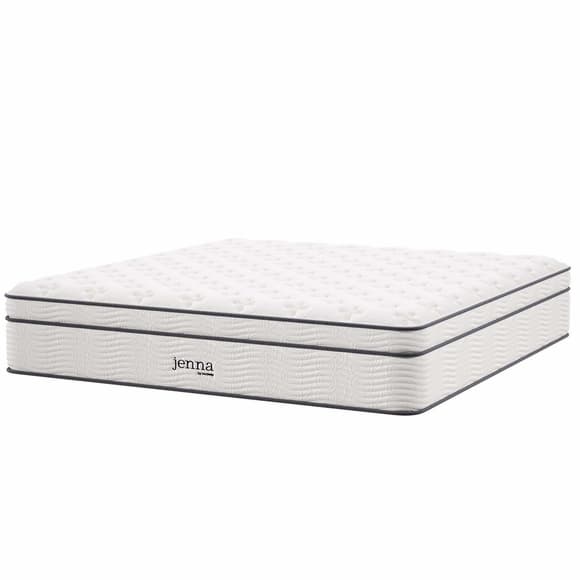
If you manage an apartment community in Leander, TX — or you live in one and you're staring at a pile of old mattresses in the breezeway — you already know the problem. Mattresses don't just disappear. They stack up in dumpster areas, get propped against fences, and create headaches for property managers, maintenance teams, and residents alike. Bulk mattress recycling is the solution that actually works, and in 2026, it's more accessible than ever for Leander-area properties.
This guide covers everything: why apartments generate so many unwanted mattresses, what "bulk recycling" actually means in practice, how to schedule a pickup, what it costs, and how to build a system that keeps your property clean move-out after move-out. Whether you're a property manager overseeing 200 units or a resident coordinating with a few neighbors, the same principles apply.
Why Apartment Communities in Leander Generate So Many Old Mattresses
Leander has grown fast. With major residential development along 183A and new communities sprouting up near Crystal Falls and Travisso, the city's apartment inventory has expanded dramatically over the last several years. More units means more turnover — and more turnover means more mattresses left behind.
There are a few specific dynamics that make apartments a unique mattress disposal challenge:
- Move-out timing clusters: Lease expirations in Texas often concentrate around May, June, and August. When dozens of tenants move out in the same two-week window, a property can generate 15 to 30 mattresses nearly overnight.
- No easy personal transport: Most apartment residents don't own trucks or SUVs large enough to haul a mattress to a recycling facility on their own. The mattress ends up abandoned on the property instead.
- Dumpster restrictions: Standard waste haulers don't take mattresses. Many lease agreements actually prohibit placing them near dumpsters — but that doesn't stop it from happening when residents have no other option.
- Short-term renters and furnished units: Properties with furnished units or short-term leases cycle through mattresses faster than traditional long-term communities.
The result: abandoned mattresses are one of the most common property maintenance complaints in growing Texas suburbs like Leander, Cedar Park, and Round Rock.
What "Bulk Mattress Recycling" Actually Means
The term "bulk" gets thrown around loosely, so let's be specific. In the context of apartment communities, bulk mattress recycling means scheduling a single coordinated pickup — or a recurring pickup schedule — that handles multiple mattresses from one property in one visit.
How Bulk Differs from Single-Item Residential Pickup
A standard residential pickup handles one mattress, maybe two, from a single address. Bulk recycling scales that up. Instead of each resident independently scheduling their own pickup (which creates chaos and coordination nightmares), the property manager or a designated contact books one consolidated service appointment. All mattresses are gathered, staged, and removed in a single efficient haul.
For properties with consistent turnover, this can be set up as a recurring appointment — say, the last Friday of every month — so the logistics become automatic rather than reactive.
What Happens to the Mattresses After Pickup
At Williamson County Mattress Recyclers, every mattress collected — whether it's a single queen from a Georgetown bungalow or a stack of twelve from a Leander apartment complex — goes to a recycling facility where it's broken down by material type. Steel coils from innerspring mattresses are separated for metal recycling. Foam layers are sorted and repurposed. Wood frames are reclaimed. Fabric covers are assessed for reuse.
Mattress fabric that meets quality standards gets a second life as stuffed dog beds, which are then donated to animal shelters and rescue organizations in the area. Learn more about that program on our Shelter Dog Beds page. It's a small but meaningful outcome from what would otherwise be pure landfill waste.
According to the U.S. Environmental Protection Agency, diverting bulky items like mattresses from landfills is one of the most impactful categories of residential waste reduction — because they take up disproportionate landfill volume relative to their weight.
The Real Cost of Not Recycling Apartment Mattresses
It's tempting to treat mattress disposal as a low-priority line item. But the costs of doing nothing — or doing it the wrong way — add up fast.
- Municipal fines: Leander and surrounding Williamson County municipalities have bulk waste ordinances. Mattresses left on property grounds or near dumpsters can generate code enforcement complaints and fines.
- Pest and mold risk: A mattress sitting outside in Central Texas humidity for more than a few days becomes a moisture trap. That means mold, mildew, and a potential harborage for roaches and rodents — a liability issue for any property manager.
- Resident perception: Prospective tenants touring your property notice a stack of old mattresses near the dumpster. It signals poor management and poor maintenance, regardless of how nice the unit interiors are.
- Staff time: When maintenance teams have to deal with abandoned mattresses ad hoc — dragging them around the property, waiting for special waste pickups, fielding resident complaints — it steals time from actual maintenance work.
Proactive bulk recycling scheduling eliminates most of these costs entirely. The EPA's waste facts and figures data consistently shows that communities with structured recycling programs spend less per ton on waste management overall — because prevention is cheaper than remediation.
How to Schedule Bulk Mattress Recycling Pickup in Leander, TX
The process is designed to be simple, even for large properties. Here's how it works step by step.
Step 1 — Inventory Your Mattresses
Before you book, do a quick walk of the property and count how many mattresses need to go. Note the sizes if you can (twin, full, queen, king). Pricing is per mattress, so an accurate count helps you budget correctly and ensures we bring the right capacity. If you're not sure of exact sizes, an estimate is fine — we can adjust at pickup.
Step 2 — Book Online or Contact Us
Use the online booking system to select your pickup date, number of mattresses, and staging location. For bulk pickups at commercial or multi-family properties, the booking flow is the same as residential — just add the apartment complex address and note in the instructions that it's a bulk property pickup. If you have specific logistical needs (gated access, staging area requirements, preferred time window), use the notes field or reach out to us directly.
We serve Leander and the surrounding Williamson County communities, as well as Travis County — including neighborhoods across Austin. See our Commercial Services page for details on recurring property arrangements.
Step 3 — Stage the Mattresses for Pickup
Mattresses should be accessible from outside — curbside, in a staging area near the parking lot, or just inside a gate we can access without entering a locked building. They don't need to be wrapped or bagged. They don't need to be in perfect condition. We take them stained, torn, wet from a storm, or structurally collapsed — condition is not a barrier to recycling.
Step 4 — We Haul, You're Done
Our driver arrives during your scheduled window, loads the mattresses, and clears the staging area. No supervision required from property staff once the mattresses are staged. You'll receive confirmation when the pickup is complete.
Sizing Up Your Mattress Inventory: What We Accept
Apartment communities often have a mix of mattress sizes depending on the unit types and what tenants leave behind. We handle every standard residential size:
- Toddler Mattress Pickup — the smallest size, common in units where families with young children lived
- Twin Mattress Pickup — extremely common in one-bedroom and studio leavings
- Full Mattress Pickup — frequently found in older units or as a second bedroom setup
- Queen Mattress Pickup — the most common size in modern apartments
- King Mattress Pickup — less frequent but not rare, especially in larger two- and three-bedroom units
Box springs, mattress toppers, and foam overlays are also accepted. If a tenant left behind an entire bed setup — mattress plus box spring — both pieces count as separate items for pricing purposes, but both get recycled.
Drop-Off as an Alternative for Apartment Residents
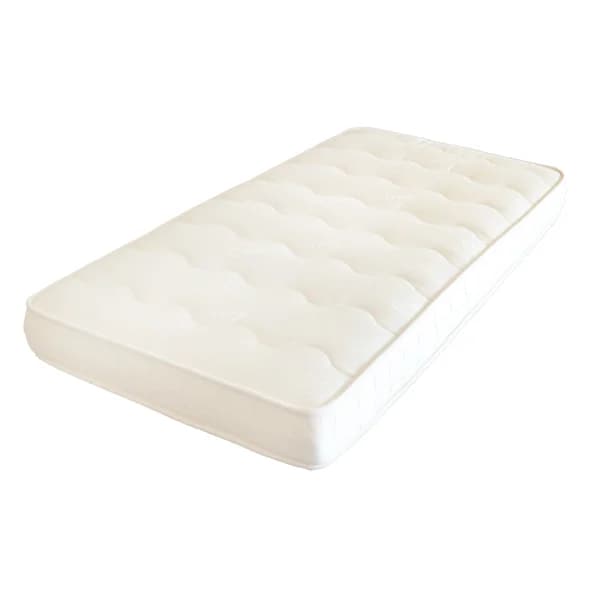
Not every mattress needs a pickup. For individual residents who want to handle their own mattress disposal rather than leaving it for the property, our drop-off option is a smart, cost-effective choice.
Our Liberty Hill drop-off location accepts mattresses by appointment, every day from 9:00 AM to 6:00 PM. The process: pay online on our Mattress Drop-Off page, choose your appointment time, and the address comes with your confirmation. Drop-off costs 60% less than a scheduled pickup — a significant saving for a resident who can borrow a truck or rent one for a few hours.
When Drop-Off Makes Sense for Apartment Residents
- You have access to a truck, SUV with a hitch, or a friend with a vehicle that can handle the size
- Your lease ends on a specific date and you want the mattress gone before move-out inspection, not after
- You're combining it with other errands in the Liberty Hill area
- You're working with a tight budget and the 60% savings is meaningful
For more detail on preparing your mattress for drop-off or pickup, the Cedar Park mattress recycling preparation guide covers the same principles that apply across the region.
Building a Recurring Mattress Recycling System for Your Property
The most forward-thinking property managers in Williamson County have moved from reactive mattress disposal (scrambling every time a unit turns over) to proactive scheduled recycling. Here's a framework for building that system.
Assess Your Turnover Pattern
How many units turn over per month on average? What months are your peak move-out windows? For most Leander apartment communities, the answer is 10 to 20 percent of units per year, concentrated in summer. If you have 100 units and 15 annual turnovers, you can expect one to two mattresses per month on average — with peaks of six to eight in June and July.
Set a Monthly or Bi-Monthly Pickup Day
Rather than booking on demand every time a mattress appears, designate a standing pickup window — say, the third Wednesday of each month. Stage any mattresses collected since the last pickup in a designated spot on the property. When pickup day arrives, the driver clears everything in one visit.
This approach has several advantages:
- No mattress sits on the property for more than three to five weeks
- Maintenance staff know exactly where to stage abandoned mattresses instead of improvising
- You can communicate the schedule to residents at move-out so they know the timeline
- Budgeting is predictable — you know roughly how many pickups per year and what that costs
Communicate the Option to Residents
Many residents don't know what to do with a mattress at move-out. They default to leaving it in the unit or stacking it by the dumpster because they've never been given a better option. A simple line in your move-out packet — "Need to dispose of a mattress? Use our recycling service or schedule your own drop-off at [link]" — dramatically reduces abandoned mattresses before they become a problem.
You can even negotiate a discounted resident rate with us for properties that refer tenants directly. Contact us through the contact page to discuss partnership arrangements.
Environmental Impact: What Bulk Recycling Actually Prevents
It's worth pausing on the environmental side of this, because the numbers are significant. A single queen mattress contains approximately 25 to 50 pounds of steel coils, 15 to 30 pounds of foam, several pounds of wood, and several pounds of fabric. When that mattress goes to a landfill, all of those materials sit there indefinitely. The steel takes decades to corrode. Petroleum-based foam doesn't biodegrade meaningfully on any human timescale.
When a mattress goes through proper recycling:
- The steel is melted down and re-enters the manufacturing supply chain
- The foam is shredded and reused for carpet underlayment, padding, or — in our case — dog beds for local shelters
- The wood is chipped for mulch or biomass fuel
- Cotton and natural fiber components are reclaimed for industrial rags or insulation filler
Multiply that by 15 or 20 mattresses from a single apartment community per year, and you're keeping a meaningful volume of material out of Williamson County landfills. That matters locally — the county's solid waste infrastructure is under real growth pressure as the population expands, and diverting bulky items is one of the most direct ways residents and property managers can reduce their footprint.
For background on how mattress and bulky-item recycling fits into the broader waste reduction picture, Consumer Reports has covered the lifecycle of household items and the environmental value of responsible disposal in depth.
Common Mistakes Apartment Properties Make with Mattress Disposal
Even well-run properties make avoidable errors when it comes to mattress waste. Here are the most common ones and how to sidestep them.
Mistake 1: Assuming the Regular Waste Hauler Will Handle It
Standard commercial dumpster contracts almost never include mattresses. They're considered bulky waste and require a separate arrangement. Assuming your regular hauler will take them — and not finding out otherwise until a maintenance staffer gets a call from the hauler or a code enforcement notice — is a costly assumption. Confirm with your waste contractor explicitly, and have a mattress recycling plan in place independently.
Mistake 2: Letting Mattresses Sit for Weeks Before Booking a Pickup
Every week a mattress sits outside in the Texas climate is a week of potential pest activity, moisture absorption, and resident complaints. Same-week bookings are possible — don't let the logistics intimidate you into delaying. The booking process takes a few minutes online.
Mistake 3: Not Documenting the Recycling for Sustainability Reporting
More multifamily property owners are tracking sustainability metrics in 2026 — for ESG reporting, green building certifications, or simply competitive differentiation in a crowded Leander rental market. If you're recycling mattresses, document it. Keep records of pickup dates, volumes, and confirmation receipts. This data has value you might not be using.
Mistake 4: Ignoring the Drop-Off Option for Individual Residents
If you communicate the drop-off option clearly, a portion of your residents will handle their own mattress disposal at move-out — which reduces the volume your property has to manage. The Liberty Hill drop-off guide explains exactly how that process works and is easy to link in your move-out documentation.
Leander-Specific Logistics: What Property Managers Should Know
Leander's layout creates some specific logistical considerations for bulk mattress pickup that are worth knowing in advance.
- Gated communities: Many newer Leander apartment communities have gated access. If your property has a gate, designate a staging area just inside or outside the main gate where mattresses can be left accessible. Include gate code or buzzer instructions in your booking notes — our driver doesn't need to enter locked buildings or secured interior areas.
- HOA-governed properties: Some Leander apartment and townhome communities have HOA rules about items left in common areas. Check whether a designated staging area or specific hours apply to your property before scheduling a morning pickup.
- Peak traffic times: 183A through Leander gets congested during morning commute hours. Scheduling pickups mid-morning or early afternoon (after 9:30 AM and before 3:30 PM) generally allows for smoother access, especially for communities near the toll road corridor.
- Large complexes with multiple buildings: For properties with 10 or more buildings spread across a large footprint, designating a single central staging area rather than collecting from multiple locations simultaneously makes pickup significantly more efficient and may reduce overall cost.
We also serve Steiner Ranch, Circle C Ranch, and neighborhoods throughout Austin and Travis County, so if your portfolio includes properties in multiple jurisdictions, we can often consolidate service across locations. See our full service area and service list for details.
Partner with Storage Facilities for a Complete Bulky Waste Solution
Some apartment managers also oversee or refer residents to nearby self-storage facilities — and those facilities often have their own mattress problem when storage units are abandoned or auctioned. We work with storage partners to solve that exact issue. If you manage or partner with a storage facility in the Leander or Cedar Park area, our Storage Facility Partners program may be a fit.
Coordinating mattress recycling across both apartment communities and affiliated storage facilities under one relationship simplifies billing, scheduling, and sustainability reporting. It also gives you a consistent answer to the question "what do I do with this mattress?" regardless of where in your portfolio it comes from.
What Makes Williamson County Mattress Recyclers Different
There's no shortage of junk haulers who will take a mattress. The difference is what happens after it leaves your property.
Many haulers — even those who advertise "recycling" — take bulky items to a transfer station where they're sorted and a portion ends up in landfill anyway. We are a recycling-first operation. Every mattress we collect goes to our facility and is processed for material recovery. That's not marketing language — it's the operational model we were built around.
We also operate locally, which matters in ways that go beyond logistics. We know Williamson County. We know what a gated Leander apartment complex looks like. We know the traffic patterns on 29 and 183A. We're not a national hauler dispatching a contractor who's never been to Liberty Hill. Learn more about how we started and what we're trying to do for this community.
And the dog bed program is real. When you schedule a bulk recycling pickup for your apartment community, you're not just keeping material out of a landfill — you're contributing to a local supply chain that ends with a shelter dog sleeping on something softer tonight.
Frequently Asked Questions About Bulk Mattress Recycling for Apartments in Leander, TX
How many mattresses count as a "bulk" pickup?
There's no formal minimum to book a pickup — you can schedule service for one mattress or twenty. The term "bulk" simply describes the practice of coordinating a single pickup that handles multiple mattresses from one property in one visit. For apartment communities, we recommend staging all available mattresses together for efficiency, but you don't need to hit a minimum threshold to book. Contact us if you're planning a very large-volume haul and want to discuss logistics in advance.
Can a property manager book on behalf of multiple residents?
Yes, absolutely. Property managers can book a single consolidated pickup that covers mattresses from multiple units or multiple residents. The booking is by address and quantity, not by individual resident. If you're coordinating a move-out week where ten units are turning over, you can stage all the mattresses in one area and book one pickup appointment. No need for each resident to book separately unless they prefer to handle their own disposal via drop-off.
Do you accept mattresses in poor condition — stained, torn, or wet?
Yes. We accept mattresses in any condition. Stained, torn, collapsed, or water-damaged mattresses are all recyclable at the material level — the foam, steel, and wood components can still be recovered regardless of the surface condition of the mattress. The only scenario where recycling isn't possible is if a mattress has been severely contaminated with hazardous chemicals, which is extremely rare in a residential context. If you're unsure, book the pickup and we'll assess on arrival.
How far in advance do I need to schedule a bulk apartment pickup?
For most bulk pickups, booking 48 to 72 hours in advance is sufficient. For very large volumes — 15 or more mattresses — a week's notice helps us ensure the right vehicle capacity. If you have a time-sensitive situation, such as a move-out inspection deadline, contact us directly and we'll do our best to accommodate. Same-week appointments are often available, especially mid-week.
What's the difference in cost between pickup and drop-off for apartment residents?
Drop-off at our Liberty Hill location costs 60% less than a scheduled pickup. For individual residents who have access to a suitable vehicle, the savings are substantial. Pickup service is priced per mattress and billed at the time of booking. For property managers handling bulk volumes, contact us to discuss whether a recurring arrangement affects the per-unit rate. All pricing is transparent and paid online before service — no surprise charges on the day of pickup.
Do you serve apartment complexes outside of Leander — Cedar Park, Round Rock, Georgetown?
Yes. We serve all of Williamson County and Travis County. That includes Cedar Park, Round Rock, Georgetown, Hutto, Pflugerville, and communities across Austin. If your property portfolio spans multiple cities in this region, we can service all of them. See our FAQ page and services overview for the full coverage area, or contact us to confirm your specific address is within our service zone.
Is there a recycling certificate or documentation available after bulk pickup?
We provide booking confirmation and pickup confirmation via email for every appointment. If you need documentation for sustainability reporting, ESG filings, or green building certification purposes, retain those confirmation records. If you require a specific format of waste diversion documentation for a reporting obligation, contact us ahead of your scheduled pickup and we can discuss what records we can provide. We encourage property managers to keep a running log of pickup dates and estimated volumes for their own reporting needs.
Ready to Schedule Bulk Mattress Recycling for Your Leander Apartment Property?
Keeping your Leander property clean, compliant, and genuinely sustainable doesn't require a complicated system. It requires one reliable service relationship and a consistent process for staging and scheduling.
Williamson County Mattress Recyclers is built for exactly this — affordable, local, recycling-first mattress pickup that works for apartment communities of any size. Book online in a few minutes, stage the mattresses, and we'll handle the rest. Every mattress stays out of the landfill. Some of them become a shelter dog's bed.
Schedule your bulk mattress recycling pickup today. Visit our Mattress Recycling Pickup page to get started, or contact us if you'd like to discuss a recurring property arrangement before booking.